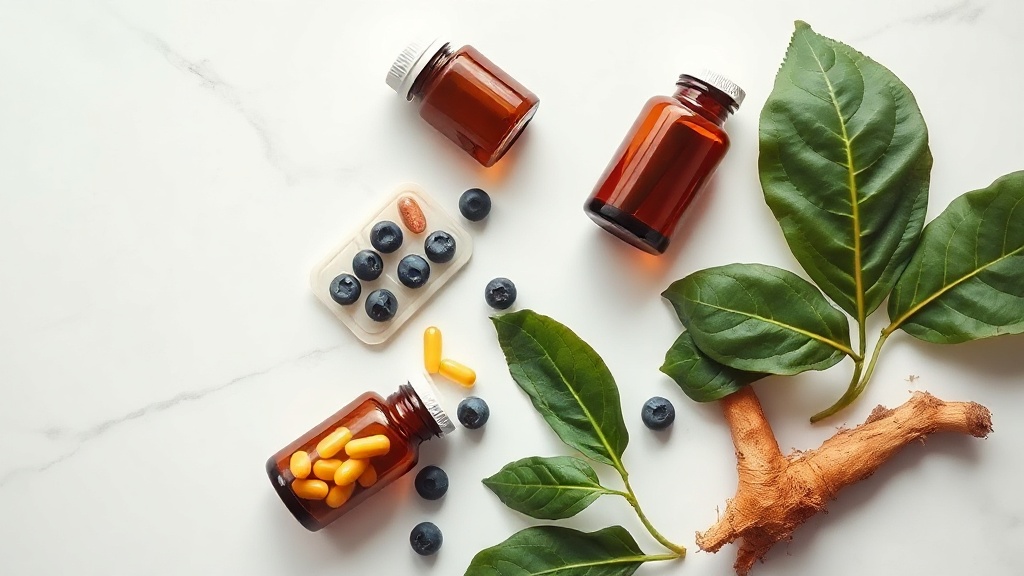
Clean Organic Supplements — What Actually Works
Walk into any health food store or scroll through Amazon and you'll find yourself in what feels like a war zone of bottles, capsules, and promises. "Pure." "Natural." "Clinical strength." Every label says the same thing. None of them tell you what actually makes a supplement worth taking.
The supplement industry is worth over $50 billion annually. And it's mostly unregulated. This guide cuts through it — what to look for, what to avoid, which brands have earned their reputation.
The One Standard That Matters: Third-Party Testing
"Organic" on a supplement label tells you how the ingredients were grown. It tells you nothing about what's in the capsule. Only third-party testing — verification by an independent lab with no financial stake in the outcome — tells you that.
Certifications to look for: NSF Certified for Sport, USP Verified, Informed Sport/Informed Choice, Non-GMO Project Verified. If a brand doesn't publish their testing results, move on.
What "Clean" Actually Means (and Doesn't Mean)
"Organic" = ingredients grown without synthetic pesticides. Doesn't guarantee purity or testing.
"Whole food" = from food sources, not synthesized. Better absorbed, less precise dosing.
"Hypoallergenic" = free from gluten, dairy, soy, nuts. Important if you have sensitivities.
"Clinical strength" = marketing term, no regulation. Ignore it.
Fillers and Excipients to Avoid
Free Guide
Want the full Sanctuary Starter Guide?
12 intentional swaps for a home that serves you — free PDF, plus our 5-part email series.
No spam. Unsubscribe any time.
- Magnesium stearate — linked to immune cell concerns at high doses.
- Titanium dioxide — "possibly carcinogenic" per IARC. Avoid.
- Artificial colors — skip them.
- Hydrogenated oils — used in some softgel coatings. Avoid.
If you see more than 5–6 inactive ingredients, look for a cleaner option.
The Brands That Earn Their Reputation
1. Thorne Research — Best Clinical Standard
Four rounds of third-party testing per product. 100,000+ quality control checkpoints annually. Harvard Medical School and Mayo Clinic use their testing protocols. Bioavailable forms of every nutrient — not the cheaper forms your body can't absorb. NSF Certified for Sport on performance products. Best for: Athletes, people with confirmed deficiencies, practitioner-recommended protocols.
Affiliate callout: Thorne Basic Nutrients 2/Day — foundational multi that covers the bases.
2. Pure Encapsulations — Best Hypoallergenic Formulas
Rock-solid reliable for sensitive populations. Every product free from gluten, dairy, soy, and common allergens. Research-backed formulations trusted by practitioners. Note: owned by Nestlé. Quality remains high; know this for your own values. Best for: Food allergies or sensitivities, new to clean supplementation.
3. Nordic Naturals — Best for Omega-3s
Solving the three fish oil problems: oxidation, inaccurate dosing, fishy burps. Triglyceride-form omega-3s (better absorbed than ethyl ester), published test results, lemon-peach flavor eliminates the burp problem. IFOS certified. Best for: Anyone taking omega-3 supplements who wants a brand they can trust.
Affiliate callout: Ultimate Omega 2X — highest concentrated EPA/DHA per softgel.
4. Life Extension — Best Budget Professional Grade
Tests every batch of every product and publishes the results. Professional-grade quality at direct-to-consumer pricing. Best purity-to-price ratio in the industry. Best for: Budget-conscious who want professional-grade testing without professional-grade pricing.
5. Seeking Health — Best for MTHFR and Methylation Support
Founded by Dr. Ben Lynch (MTHFR gene mutation specialist). Their entire line uses methylated B vitamins in forms your body can actually use. For anyone with MTHFR variants, this is the brand built for their biochemistry. NSF-certified, hypoallergenic, formulated for precision. Best for: MTHFR variants, methylation issues, methylated B vitamin protocols.
Affiliate callout: Seeking Health Methyl B Complex — flagship entry point.
Building Your Clean Supplement Routine
- Get a blood test first. Vitamin D, B12, iron, thyroid markers are most commonly deficient.
- One new supplement at a time. 4–6 weeks each.
- Look for the third-party seal. Every product on this list has it.
- Buy from brands that publish testing. Thorne, Nordic Naturals, Pure Encapsulations, Life Extension, Seeking Health all publish batch results.
The One Question to Ask Before Any Supplement
Is there a food that does this better? For most nutrients, yes — whole food sources are better absorbed. Supplements fill gaps, they don't replace food. But if you've tested deficient and food alone won't close the gap — B12 for plant-based eaters, iron for menstruating women, vitamin D for most people north of Atlanta — then the brands above are the ones you can trust to actually deliver what they promise.
Published by Crystal & Linen Co.