 Intentional Living
Best Linen Aprons & Kitchen Textiles for a Slow, Intentional Home (2025)
# Best Linen Aprons & Kitchen Textiles for a Slow, Intentional Home (2025)
**Disclosure:** This guide contains affiliate links. If you purchase through our links, we may earn a small commission at no extra cost to you. We only recommend products we believe in.
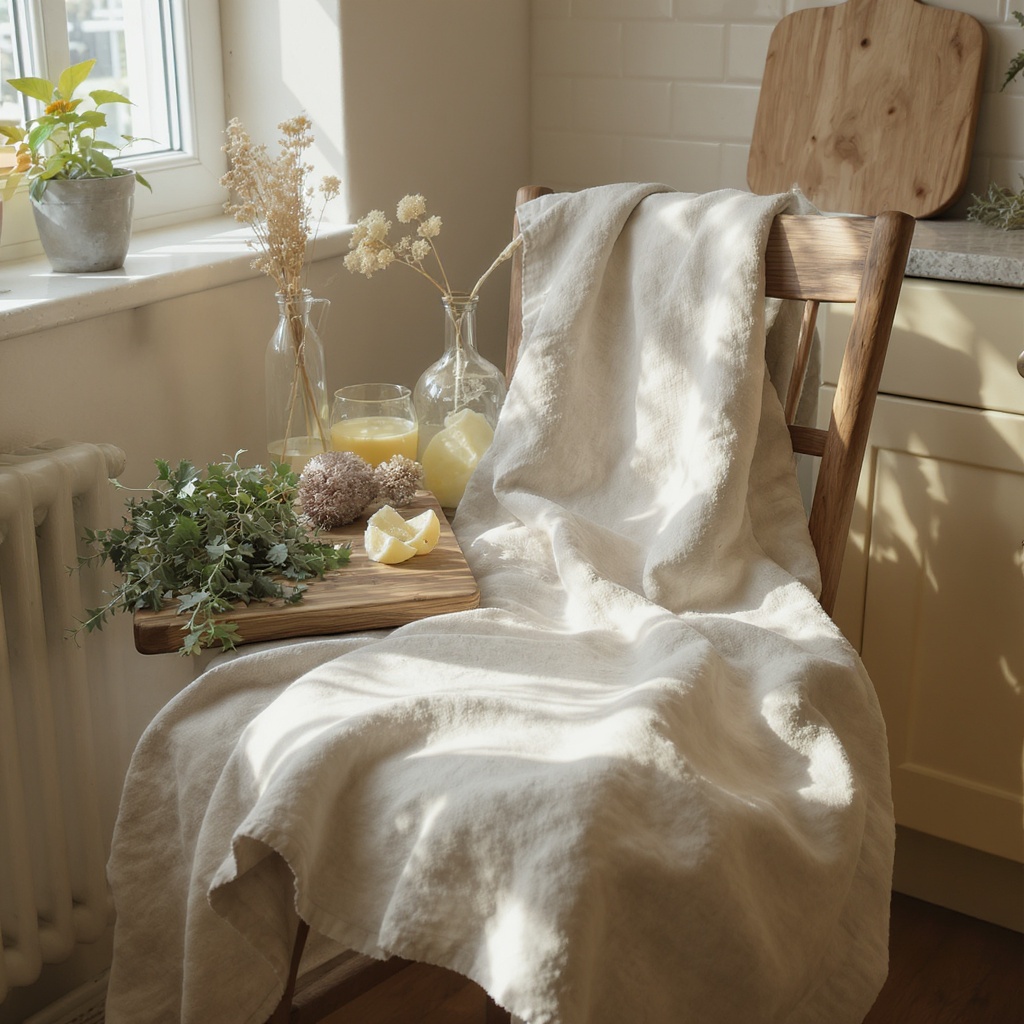
A slow kitchen is not a trend. It is a decision to treat the act of cooking as worthy of your full attention — to guard it from the noise and the rush and the drive-through. The apron you reach for matters. Not because of what it looks like, but because of what it represents: you made this, with your hands, slowly. The best kitchen textiles are the ones that improve with use. Linen earns its place in your home over years, not seasons.
MagicLinen — Linen Bib Apron (European Flax)
Made from 100% Lithuanian-grown flax linen — OEKO-TEX certified. Stone-washed so it arrives soft and gets softer with every wash. This is the apron you reach for every day.
$54
Flax Planet — Stone-Washed Linen Apron (Belgian + French Flax)
OEKO-TEX certified, stone-washed, with a genuinely deep front pocket. Sources Belgian and French flax — the gold standard. Made in Canada.
$55
Solino Home — European Flax Linen Bistro Apron (Stripe)
Handcrafted midi length, avocado and white stripe. European flax, adjustable neck strap, center pocket, utility loop. Classic, not trendy.
$40
Rough Linen — Linen Kitchen Apron (Natural)
Handcrafted in natural European flax — no dye, no processing, just the fiber in its original state. The natural color deepens over time. A piece you will still use in twenty years.
$65
Linen Casa — Cross-Back Linen Apron (Stonewashed)
100% pure European flax, cross-back design (no neck strap digging in), two pockets. OEKO-TEX certified. Soft from the first wear.
$58
The Citizenry — Bihu Linen Apron (Fair Trade Artisan)
Fair-trade artisan apron. 100% linen, unisex, large divided front pocket. Made by artisans paid a living wage in their local communities.
$68
## How We Chose
We chose aprons that: are 100% European flax linen or equivalent (no cotton blends, no synthetic); are OEKO-TEX certified or have equivalent third-party verification; are made in Europe, Canada, or by verified artisan collectives; and have a design point of view — not generic kitchen products with a linen label slapped on. We excluded anything made from mass-market synthetic blends or that lacked any quality certification.
## Frequently Asked Questions
## Why linen instead of cotton for a kitchen apron?
Linen is more durable, more breathable, and more antibacterial than cotton. It naturally resists odors and absorbs moisture better. A cotton apron will need replacing every few years; a linen apron will outlast them. Linen also gets better with washing — the fibers relax and soften over time rather than pilling or wearing thin.
## What is the difference between a bib apron and a waist apron?
A bib apron covers your chest and provides more protection — better for serious cooking, baking, or when you want to keep your clothes fully clean. A waist apron covers from the waist down and is lighter and less restrictive — better for serving, light kitchen tasks, or when you want something easier to put on and take off. Cross-back aprons are a third category that distributes weight differently and eliminates the neck strap entirely.
## Does a linen apron need special care?
Wash cold or warm, never hot. Line dry when possible — the sun is free and linen dries fast. In the dryer, use low heat. Never use fabric softener — it coats the fiber and reduces the absorbency that is the whole point. A quarter cup of white vinegar in the softener compartment every few washes keeps it fresh. The first wash will be the roughest; after five to ten washes, it settles into its best state.
## What should a slow kitchen textile collection include beyond the apron?
A good linen tea towel (for drying, not just display — linen dries 3x faster than cotton), linen napkins (replace paper at every meal), and a linen bread bag (keeps bread fresh without plastic). Start with the apron, then add the tea towel. Those two pieces change how you move in the kitchen.
## Are more expensive linen aprons actually better?
Yes, generally — but the jump is between the $25-$35 mass-market tier and the $45-$65 artisan tier. Below $40, you are dealing with lower GSM, inconsistent sourcing, and construction shortcuts. Above $65, you are paying for brand positioning and packaging. The sweet spot is $45-$65, where you get genuine European flax, OEKO-TEX certification, and artisan production.
Live This
Products We Love
Curated picks we actually use — linked for your convenience.
other
MagicLinen — Linen Bib Apron (European Flax)
Made from 100% Lithuanian-grown flax linen — OEKO-TEX certified. Stone-washed so it arrives soft and gets softer with every wash. This is the apron you reach for every day.
$54
Shop Now ↗
other
Flax Planet — Stone-Washed Linen Apron (Belgian + French Flax)
OEKO-TEX certified, stone-washed, with a genuinely deep front pocket. Sources Belgian and French flax — the gold standard. Made in Canada.
$55
Shop Now ↗
amazon
Solino Home — European Flax Linen Bistro Apron (Stripe)
Handcrafted midi length, avocado and white stripe. European flax, adjustable neck strap, center pocket, utility loop. Classic, not trendy.
$40
Shop Now ↗
other
Rough Linen — Linen Kitchen Apron (Natural)
Handcrafted in natural European flax — no dye, no processing, just the fiber in its original state. The natural color deepens over time. A piece you will still use in twenty years.
$65
Shop Now ↗
other
Linen Casa — Cross-Back Linen Apron (Stonewashed)
100% pure European flax, cross-back design (no neck strap digging in), two pockets. OEKO-TEX certified. Soft from the first wear.
$58
Shop Now ↗
other
The Citizenry — Bihu Linen Apron (Fair Trade Artisan)
Fair-trade artisan apron. 100% linen, unisex, large divided front pocket. Made by artisans paid a living wage in their local communities.
$68
Shop Now ↗Free 7-Day Guide
Get the Sanctuary Starter Guide
Seven daily practices across Faith, Health, Serenity & Intentional Living — free PDF, delivered instantly.
Free. No spam. Opt out anytime.